Top 10 Best Things to Do in Ha Giang




Discover 10 of the best things to do in Ha Giang, from riding Ma Pi Leng Pass and boating on the Nho Que River to village homestays, trekking, markets and cloud hunting.
- Top 10 Best Things to Do in Ha Giang
- 1. Conquer the Legendary Ma Pi Leng Pass
- 2. Take a Boat Trip on the Nho Que River
- 3. Stay Overnight in Lo Lo Chai Village
- 4. Explore Dong Van Old Quarter at Night
- 5. Stay in a Peaceful Homestay in Du Gia Valley
- 6. Trek Through the Rice Terraces of Hoang Su Phi
- 7. Visit a Traditional Highland Market
- 8. Admire Buckwheat Flowers on the Dong Van Plateau
- 9. Watch the Sunrise Above the Clouds
- 10. Experience Community-Based Tourism in Nam Dam Village
- What Else Can You Do in Ha Giang Besides Sightseeing?
- How Many Days Should You Spend in Ha Giang?
- Should You Explore Ha Giang by Motorbike or Car?
- Essential Travel Tips for Visiting Ha Giang
- Conclusion
Ha Giang is famous not only for its spectacular mountain passes and breathtaking landscapes but also for its unique cultural experiences, traditional villages, and unforgettable adventures.
From riding along Ma Pi Leng Pass and taking a boat trip on the Nho Que River to staying in peaceful ethnic villages and trekking through terraced rice fields, Ha Giang offers something special for every traveler.
If you are planning your first Ha Giang Loop adventure, here are 10 unforgettable experiences worth adding to your itinerary.
Top 10 Best Things to Do in Ha Giang
1. Conquer the Legendary Ma Pi Leng Pass
Ma Pi Leng Pass is one of Vietnam's most spectacular mountain roads, connecting Dong Van and Meo Vac.
The pass is famous for its winding roads, towering limestone cliffs, deep valleys, and breathtaking views of the turquoise Nho Que River.
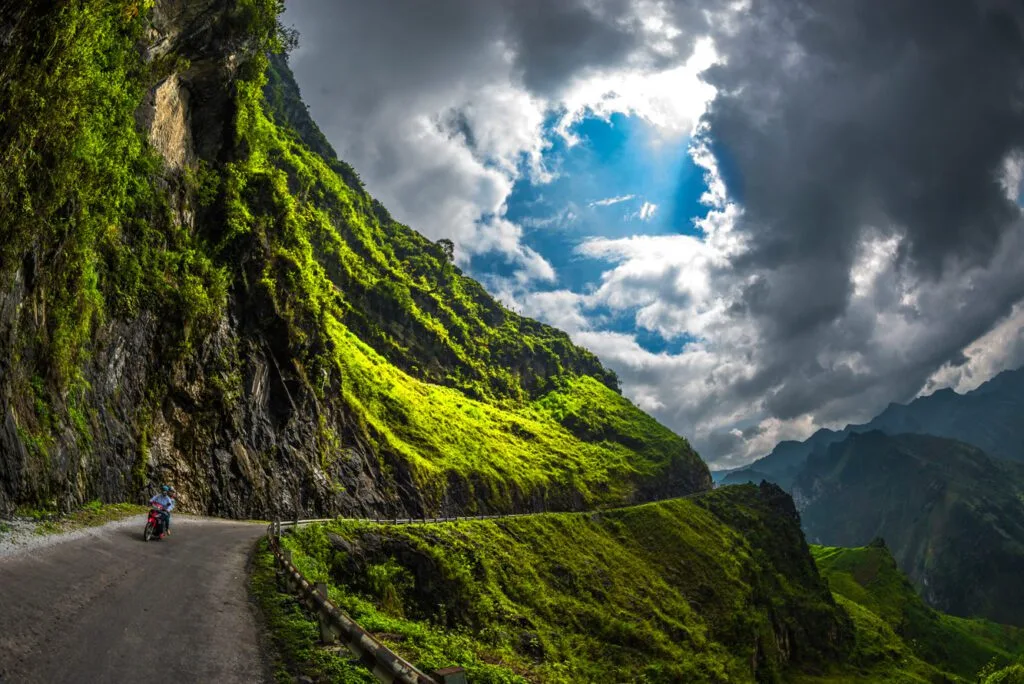 Ma Pi Leng Pass is one of the most beautiful mountain roads in Vietnam.
Instead of stopping for just a quick photo, take your time to admire the scenery from designated safe viewpoints.
Best for: Road trips, photography, adventure travelers, and first-time visitors.
2. Take a Boat Trip on the Nho Que River
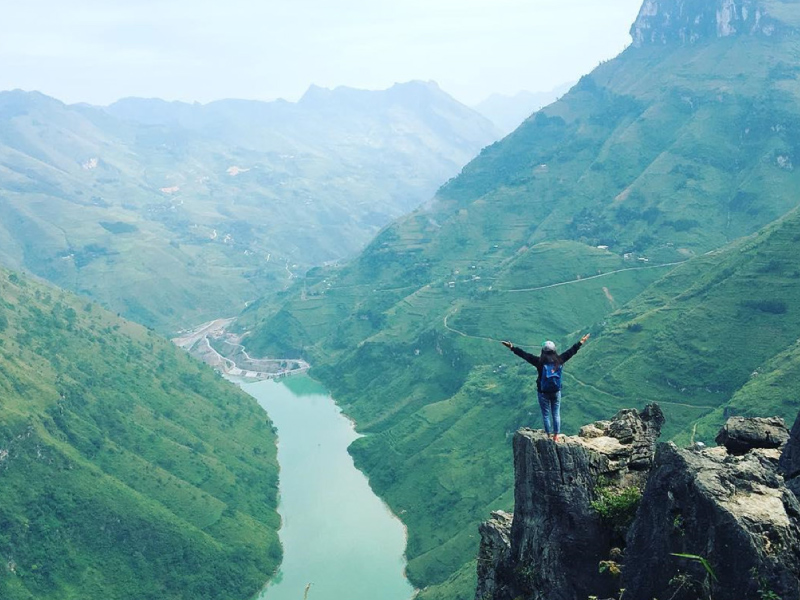
The Nho Que River is famous for its emerald-green water flowing between towering limestone mountains.
A boat trip through Tu San Canyon allows visitors to admire the dramatic cliffs from the water, offering a completely different perspective from the viewpoints along Ma Pi Leng Pass.
 The turquoise Nho Que River surrounded by towering limestone cliffs.
Check boat operating schedules and weather conditions before traveling to the pier.
Best for: Couples, families, groups of friends, and nature lovers.
3. Stay Overnight in Lo Lo Chai Village
Lo Lo Chai Village is located near Lung Cu Flag Tower and is famous for its traditional earthen houses, tiled roofs, and peaceful atmosphere.
Instead of visiting for just a few hours, consider staying overnight in a local homestay to experience the village at a slower pace.
 Traditional earthen architecture in the peaceful Lo Lo Chai Village.
Walk through the narrow village paths, enjoy coffee at a local café, and learn about the traditions of the Lo Lo community.
Early morning is especially enjoyable when the village is quiet and surrounded by fresh mountain air.
Best for: Couples, cultural travelers, homestay experiences, and authentic village stays.
4. Explore Dong Van Old Quarter at Night
Dong Van Old Quarter is one of the most popular overnight stops on the Ha Giang Loop.
After a long day of mountain travel, spend the evening walking through its narrow streets, admiring traditional houses, visiting cafés, and enjoying local food.
The historic town becomes particularly charming in the evening, offering a relaxing atmosphere after a day of adventure.
If your visit falls on a weekend, you may also have the opportunity to explore the local market the following morning.
Best for: All travelers, especially those following the classic Ha Giang Loop route.
5. Stay in a Peaceful Homestay in Du Gia Valley
Du Gia offers a completely different landscape from the rocky mountains of Dong Van and Meo Vac.
The area is known for its green valleys, rice fields, small streams, traditional villages, and peaceful countryside atmosphere.
 A peaceful homestay surrounded by beautiful countryside in Du Gia.
Du Gia is an excellent destination for relaxing after several days of riding through mountain passes.
Spend your time exploring local villages, enjoying traditional meals, or simply admiring the natural scenery from your homestay.
Best for: Backpackers, slow travel, relaxation, and homestay experiences.
6. Trek Through the Rice Terraces of Hoang Su Phi
Hoang Su Phi is famous for its impressive terraced rice fields carved into the mountain slopes.
Popular areas such as Ban Phung, Ban Luoc, and Thong Nguyen offer opportunities for trekking, photography, and exploring traditional villages.
 Beautiful terraced rice fields surrounded by mountains in Hoang Su Phi.
Walking through the rice terraces provides a more personal experience than simply admiring them from the roadside.
Because Hoang Su Phi is located away from the classic Ha Giang Loop, consider allowing extra travel days or planning a separate trip.
Best for: Trekking, photography, cultural exploration, and rice harvest season.
7. Visit a Traditional Highland Market
Traditional markets are among the best places to experience the daily life and culture of ethnic communities in northern Vietnam.
Local residents gather to trade agricultural products, food, handmade goods, and household items.
Dong Van Market and Meo Vac Market are two popular options for travelers exploring the Ha Giang Loop, provided their itinerary matches the market schedule.
Visitors can sample local food, observe traditional trading activities, and experience the lively atmosphere of a highland market.
Best for: Cultural experiences, food exploration, and street photography.
8. Admire Buckwheat Flowers on the Dong Van Plateau
Buckwheat flowers are one of the most recognizable seasonal attractions in Ha Giang, especially during autumn and early winter.
The delicate pink and white flowers create beautiful landscapes against the dramatic limestone mountains.
 Buckwheat flowers blooming among the mountain landscapes of Ha Giang.
Areas around Sung La, Lung Cu, Pho Cao, and Dong Van are popular places to look for flowering fields.
Blooming periods depend on weather conditions and planting schedules, so check local updates before your visit.
Best for: Couples, photography, autumn travel, and seasonal sightseeing.
9. Watch the Sunrise Above the Clouds
Ha Giang is home to spectacular mountain viewpoints where visitors may witness clouds floating above deep valleys during favorable weather conditions.
Chieu Lau Thi Mountain and parts of Hoang Su Phi are popular destinations for travelers who enjoy sunrise photography and trekking.
Watching the first sunlight appear above layers of clouds can be one of the most memorable moments of your journey.
However, cloud hunting is entirely weather-dependent, and beautiful cloud formations cannot be guaranteed on every visit.
Best for: Trekking, sunrise photography, adventure travelers, and nature lovers.
10. Experience Community-Based Tourism in Nam Dam Village
Nam Dam Village, located near Quan Ba, is known for its traditional Dao community and peaceful mountain atmosphere.
Visitors can stay in local homestays, explore traditional earthen houses, walk through the village, and learn about local customs.
The village is conveniently located near the classic Ha Giang Loop route, making it a worthwhile stop for travelers interested in authentic cultural experiences.
Best for: Families, international visitors, cultural experiences, and community-based tourism.
What Else Can You Do in Ha Giang Besides Sightseeing?
The real charm of Ha Giang goes beyond visiting famous landmarks and taking photographs.
Spend time walking through traditional villages, tasting regional specialties, visiting local markets, or relaxing at a small café overlooking the mountains.
Traveling at a slower pace often creates more meaningful memories than rushing between attractions.
How Many Days Should You Spend in Ha Giang?
3 days and 2 nights: Suitable for exploring the main highlights, including Quan Ba, Dong Van, Ma Pi Leng Pass, and Meo Vac.
4 days and 3 nights: Allows more time to visit Lung Cu, Lo Lo Chai Village, and Du Gia.
5 days or longer: Recommended for travelers who want to enjoy homestay experiences, trekking, cloud hunting, or an extended trip to Hoang Su Phi.
Should You Explore Ha Giang by Motorbike or Car?
Motorbike: Offers flexibility and a closer connection to the mountain landscapes, allowing experienced riders to stop at smaller scenic viewpoints.
Car: A comfortable option for families, groups, and travelers who prefer not to ride motorbikes on challenging mountain roads.
If you have limited mountain riding experience, consider traveling by car or with an experienced local driver.
Essential Travel Tips for Visiting Ha Giang
- Avoid planning too many attractions in a single day.
- Check weather forecasts and road conditions before each journey.
- Avoid mountain travel at night, during heavy rain, or in dense fog.
- Book homestays in advance during weekends and peak travel seasons.
- Bring warm clothing, a raincoat, comfortable shoes, and a power bank.
- Carry some cash when visiting remote villages.
- Respect local customs, traditions, and daily activities.
- Ask permission before photographing local residents.
Conclusion
Ha Giang offers unforgettable experiences, from exploring Ma Pi Leng Pass and cruising along the Nho Que River to staying in Lo Lo Chai Village, relaxing in Du Gia, and trekking through the rice terraces of Hoang Su Phi.
Rather than trying to visit every destination, choose experiences that match your travel style, interests, and available time.
With thoughtful planning, enough time to relax, and opportunities to discover local culture, your Ha Giang adventure can become one of the most memorable journeys in northern Vietnam.

Comments
No comments yet
Overall rating (0)
No approved comments yet.
Write a review