Ha Giang 3 Days 2 Nights Itinerary for First-Time Travelers





A practical Ha Giang 3 days 2 nights itinerary covering Quan Ba, Yen Minh, Dong Van, Lung Cu, Lo Lo Chai, Ma Pi Leng Pass, Nho Que River and Meo Vac.
- Ha Giang 3 Days 2 Nights Itinerary
- Day 1: Ha Giang – Quan Ba – Yen Minh – Dong Van
- Day 2: Dong Van – Lung Cu – Lo Lo Chai – Meo Vac
- Day 3: Meo Vac – Mau Due – Yen Minh – Ha Giang
- Essential Travel Tips for a 3-Day 2-Night Ha Giang Trip
- Is 3 Days and 2 Nights Enough for the Ha Giang Loop?
- Should You Book a 3-Day 2-Night Ha Giang Loop Tour?
- Conclusion
A 3-day 2-night Ha Giang itinerary is an excellent choice for first-time visitors who want to discover the highlights of the Dong Van Karst Plateau within a limited time.
The journey takes you through Quan Ba, Yen Minh, Dong Van, Lung Cu, Lo Lo Chai Village, Ma Pi Leng Pass, the Nho Que River, and Meo Vac. As the itinerary involves considerable travel time, it is important to start early each day and avoid scheduling too many stops.
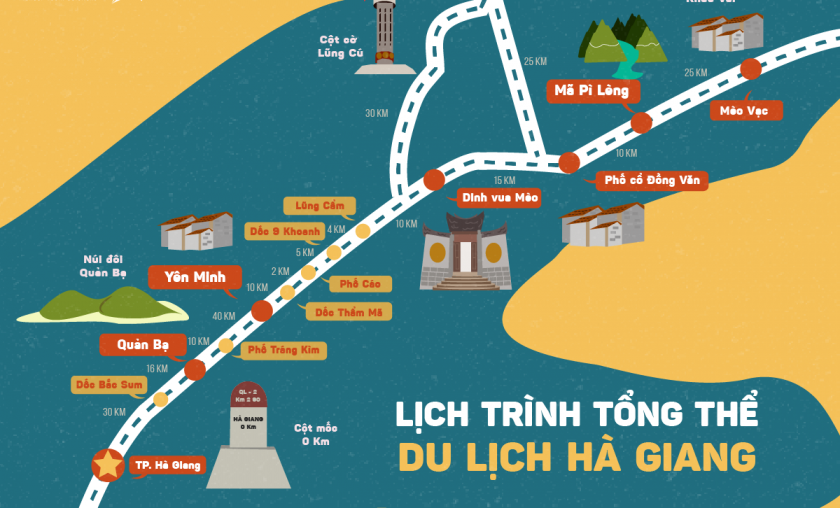
Ha Giang 3 Days 2 Nights Itinerary
- Day 1: Ha Giang – Quan Ba – Yen Minh – Dong Van.
- Day 2: Dong Van – Lung Cu – Lo Lo Chai – Ma Pi Leng Pass – Nho Que River – Meo Vac.
- Day 3: Meo Vac – Mau Due – Yen Minh – Quan Ba – Ha Giang.
If you prefer a well-organized journey without planning every detail yourself, explore our Ha Giang Loop 3 Days 2 Nights Tour for information about the itinerary, attractions, and available travel services.
Day 1: Ha Giang – Quan Ba – Yen Minh – Dong Van

Start your journey early in the morning from Ha Giang City. The first section of the route takes you along scenic mountain roads toward Quan Ba.
Bac Sum Pass: One of the first mountain passes along the Ha Giang Loop, known for its winding roads and spectacular mountain scenery.
Quan Ba Heaven Gate: A beautiful viewpoint overlooking the valley and the famous Twin Mountains of Quan Ba.
Yen Minh: A convenient place to stop for lunch and rest before continuing toward Dong Van.
Tham Ma Pass: One of the most popular photography locations along the Ha Giang Loop, featuring a winding mountain road surrounded by dramatic limestone peaks.
Sung La Valley – Lung Cam Village: Famous for traditional earthen houses, limestone landscapes, and the peaceful atmosphere of ethnic minority villages in the Dong Van Karst Plateau.
In the evening, check into your accommodation in Dong Van, explore Dong Van Old Quarter on foot, and enjoy traditional local dishes.
Overnight: Dong Van.
Day 2: Dong Van – Lung Cu – Lo Lo Chai – Meo Vac

The second day is one of the most scenic parts of the journey. Since several major attractions are included, starting early is highly recommended.
Lung Cu Flag Tower: One of the most iconic landmarks in northern Vietnam, symbolizing the country's northern frontier and offering impressive views of the surrounding mountains.
Lo Lo Chai Village: Located near Lung Cu, this traditional village is known for its earthen houses, tiled roofs, peaceful atmosphere, and beautiful photography spots.
After exploring Lung Cu and Lo Lo Chai, return toward Dong Van before continuing along the mountain road to Meo Vac.
Ma Pi Leng Pass: One of the most spectacular mountain passes in Vietnam, featuring dramatic limestone cliffs, deep valleys, and breathtaking views of the Nho Que River.
Nho Que River – Tu San Canyon: If time allows, consider taking a boat trip along the turquoise Nho Que River to admire the impressive canyon walls from below. Allow additional time for traveling to the boat pier and waiting for departure.
In the evening, continue to Meo Vac, check into your accommodation, have dinner, and rest after a full day of exploration.
Overnight: Meo Vac.
Travel tip: Day 2 is relatively demanding because it includes the detour to Lung Cu and the mountain route through Ma Pi Leng Pass. Keep sightseeing stops flexible and prioritize reaching Meo Vac safely before dark.
Day 3: Meo Vac – Mau Due – Yen Minh – Ha Giang

The final day is mainly dedicated to the return journey to Ha Giang City.
From Meo Vac, travel through Mau Due, where you can admire limestone mountains, peaceful valleys, and traditional villages along the road.
Continue toward Yen Minh for lunch and a short break. Afterward, travel through Quan Ba before returning to Ha Giang City.
Start early to allow enough time for the journey and avoid riding or driving on mountain roads after dark.
Important: Mountain road conditions can change because of heavy rain, landslides, or road maintenance. Check the latest local information before choosing your return route.
Essential Travel Tips for a 3-Day 2-Night Ha Giang Trip
To enjoy your Ha Giang adventure safely and comfortably, keep these practical travel tips in mind:
- Start early: Depart early each morning to make the most of daylight hours.
- Avoid too many stops: Focus on the main attractions rather than trying to visit every destination along the route.
- Check the weather: Pay particular attention to conditions around Lung Cu and Ma Pi Leng Pass.
- Book accommodation in advance: Homestays and hotels in Dong Van and Meo Vac can become busy during weekends and peak travel seasons.
- Stop safely: Never park or stop in the middle of a mountain road to take photographs.
- Pack essential items: Bring a jacket, raincoat, comfortable walking shoes, and a power bank.
- Carry some cash: Small restaurants and shops in remote mountain villages may not accept electronic payments.
If you are not experienced in riding on steep mountain roads, consider traveling by car or with an experienced local driver.
For travelers who want to include Du Gia Village, explore more remote valleys, and enjoy a slower pace, a 4-day 3-night Ha Giang Loop itinerary may be a better option.
Is 3 Days and 2 Nights Enough for the Ha Giang Loop?
Three days and two nights are generally enough to visit many of the most famous attractions along the Ha Giang Loop, including Quan Ba, Dong Van, Lung Cu, Lo Lo Chai Village, Ma Pi Leng Pass, the Nho Que River, and Meo Vac.
However, the schedule can be demanding, particularly on the second day. Travelers should expect several hours of mountain-road travel and limited time for extended activities.
If you prefer a slower journey with more time for photography, local culture, and village experiences, consider extending your stay to four days.
Should You Book a 3-Day 2-Night Ha Giang Loop Tour?
For first-time visitors, joining an organized tour can make traveling around Ha Giang more convenient, particularly if you are unfamiliar with mountain roads or prefer not to arrange transportation, accommodation, and sightseeing independently.
A suitable guided tour can help you manage travel time, discover local culture, and explore the main attractions with an experienced driver or guide.
Before booking, review the detailed itinerary, transportation arrangements, accommodation, included services, and travel conditions to make sure the tour meets your expectations.
Conclusion
A 3-day 2-night Ha Giang itinerary is a great way for first-time travelers to discover the spectacular landscapes and cultural highlights of northern Vietnam.
From Quan Ba and Dong Van to Lung Cu, Lo Lo Chai Village, Ma Pi Leng Pass, the Nho Que River, and Meo Vac, the journey offers a memorable introduction to the Dong Van Karst Plateau.
Rather than trying to visit too many attractions, focus on a realistic itinerary that allows enough time for sightseeing, rest, and safe travel.
With good preparation and a flexible schedule, your three-day Ha Giang adventure can become one of the most unforgettable experiences of your trip to Vietnam.

Comments
No comments yet
Overall rating (0)
No approved comments yet.
Write a review