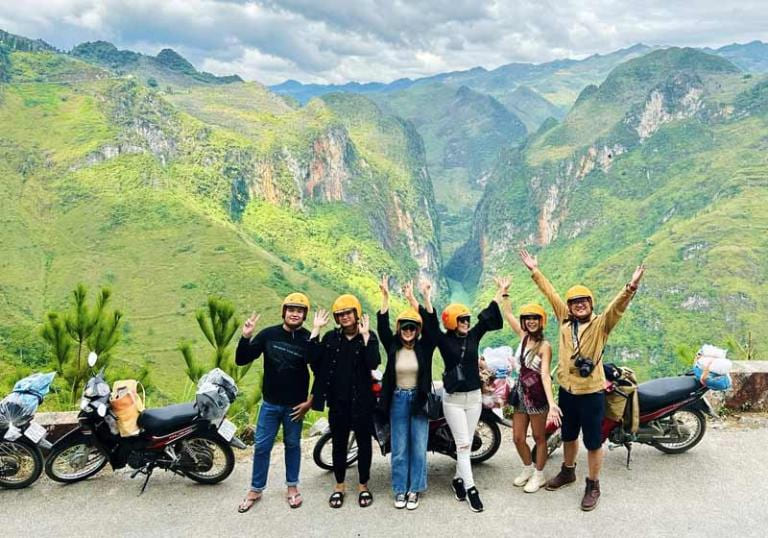
Ha Giang Loop Travel Guide 2026 – Itinerary, Costs & Tips
Route, costs, best season, and key tips for a self-guided Ha Giang Loop trip.
- 1. What Is the Ha Giang Loop?
- 2. How Many Days Do You Need for the Ha Giang Loop?
- 3. Suggested 3-Day, 2-Night Ha Giang Loop Itinerary
- Day 1: Ha Giang – Quan Ba – Yen Minh – Dong Van
- Day 2: Dong Van – Lung Cu – Ma Pi Leng – Nho Que River – Meo Vac
- Day 3: Meo Vac – Quan Ba – Ha Giang
- 4. Self-Ride or Easy Rider?
- 5. Ha Giang Loop Travel Costs
- 6. Best Time to Travel the Ha Giang Loop
- 7. Must-See Places on the Ha Giang Loop
- 8. Important Tips for an Independent Ha Giang Loop Trip
- FAQ – Ha Giang Loop Travel Guide
The Ha Giang Loop is one of the most famous mountain journeys in northern Vietnam, attracting travelers who enjoy dramatic scenery, winding roads and highland culture. If you are planning an independent Ha Giang Loop trip in 2026, preparing your itinerary, transportation, budget and travel time carefully will make the journey safer and more comfortable.
1. What Is the Ha Giang Loop?
The Ha Giang Loop is a popular route through northern Vietnam, connecting destinations such as Quan Ba, Yen Minh, Dong Van, Lung Cu, Ma Pi Leng Pass, Nho Que River and Meo Vac.
Depending on your available time, common itineraries include 2 days 1 night, 3 days 2 nights or 4 days 3 nights.
2. How Many Days Do You Need for the Ha Giang Loop?
- 2 days 1 night: suitable for travelers with very limited time
- 3 days 2 nights: a balanced itinerary for sightseeing and rest
- 4 days 3 nights: suitable for a slower journey with Du Gia and Duong Thuong
For first-time visitors, a 3-day, 2-night itinerary is often a practical option for experiencing the main highlights.
3. Suggested 3-Day, 2-Night Ha Giang Loop Itinerary
Day 1: Ha Giang – Quan Ba – Yen Minh – Dong Van
Travel from Ha Giang through Quan Ba Heaven Gate, Quan Ba Twin Mountains, Yen Minh and Tham Ma Pass before reaching Dong Van.
Day 2: Dong Van – Lung Cu – Ma Pi Leng – Nho Que River – Meo Vac
This is one of the most scenic days of the journey. Travelers can combine Lung Cu Flagpole, Lo Lo Chai Village, Ma Pi Leng Pass, Nho Que River and Tu San Canyon.
Day 3: Meo Vac – Quan Ba – Ha Giang
After staying in Meo Vac, continue back toward Ha Giang, stopping at viewpoints and highland villages along the way.
4. Self-Ride or Easy Rider?
Travelers with experience on mountain roads may choose to ride a motorbike themselves for greater flexibility.
If you are not confident riding on steep mountain passes, an easy rider or local driver may be a more comfortable option.
- Self-riding: flexible schedule and more freedom for photo stops
- Easy rider: less pressure and suitable for first-time visitors
- Car: suitable for families, groups and travelers prioritizing comfort
5. Ha Giang Loop Travel Costs
Your budget will depend on transportation, accommodation, food and the length of your itinerary. Typical expenses include:
- Motorbike rental or transportation
- Fuel
- Homestays or hotels
- Food and drinks
- Entrance tickets at selected attractions
- Nho Que River boat trip
- Cafés, shopping and personal activities
It is also useful to carry an extra budget for unexpected expenses or itinerary changes caused by weather.
6. Best Time to Travel the Ha Giang Loop
Ha Giang can be visited throughout the year, with each season offering a different landscape.
- March–April: pleasant weather and spring scenery
- May–June: water-pouring season in some rice terrace areas
- September–October: golden rice season and generally pleasant conditions
- October–November: buckwheat flower season
- Winter: colder weather, fog and a different mountain atmosphere
7. Must-See Places on the Ha Giang Loop
- Quan Ba Heaven Gate
- Quan Ba Twin Mountains
- Dong Van Old Quarter
- Vuong Family Mansion
- Lung Cu Flagpole
- Lo Lo Chai Village
- Ma Pi Leng Pass
- Nho Que River – Tu San Canyon
- Meo Vac
- Du Gia if you have additional time
8. Important Tips for an Independent Ha Giang Loop Trip
- Check the weather before departure
- Ride slowly on mountain passes and blind corners
- Check brakes, tires and lights before starting the journey
- Avoid riding mountain roads at night if you are unfamiliar with the route
- Bring a jacket, light raincoat and suitable footwear
- Carry some cash as electronic payments may be limited in remote areas
- Respect local culture and community life

Comments
No comments yet
Overall rating (0)
No approved comments yet.
Write a review